Category: The Monument Room

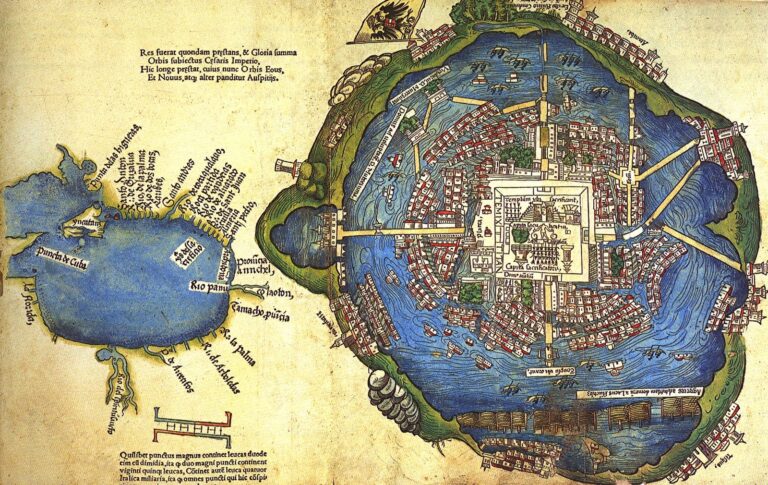
1524 map of Tenochtitlan and the Gulf of Mexico published with the Latin edition of Hernán Cortés's Second Letter

Who Conquered Mexico? Cortés, Indigenous Allies and the Fall of Tenochtitlan

September 27, 2026

The familiar story gives Hernán Cortés the conquest of Mexico. The surviving record shows something more complicated: a coalition war involving Tlaxcalan and other Indigenous armies, translators, epidemic disease, Spanish military technology and a later struggle over who received the credit.
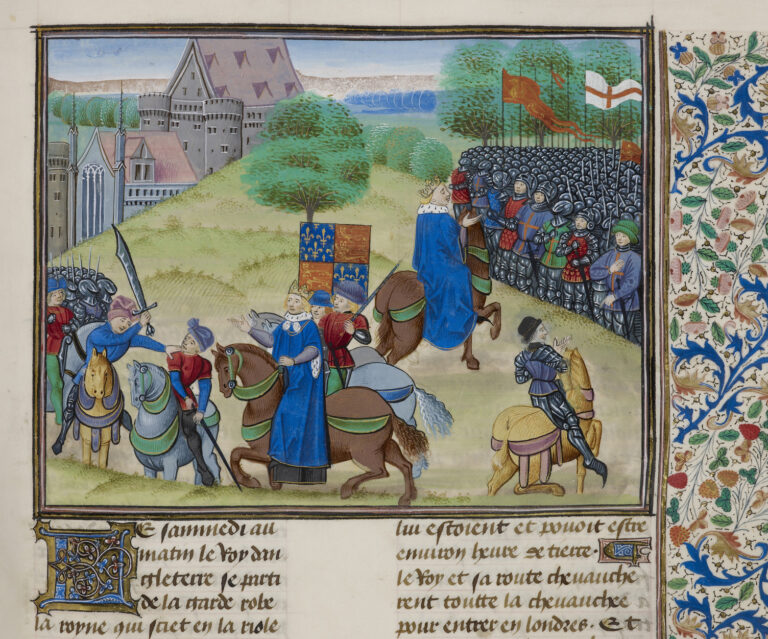
The death of Wat Tyler at Smithfield, 1381 — Froissart's Chronicles, Book II, f.175 (British Library, Royal MS 18 E I)

The Mayor Who Struck Down Wat Tyler: Sir William Walworth Reconsidered

August 21, 2026

Evidence classified per the TBAR framework: PROVEN / PROBABLE / POSSIBLE / UNSUPPORTED / CONTRADICTED. Sir William Walworth is remembered almost entirely for one moment: striking down Wat Tyler at Smithfield on 15 June 1381. The administrative record shows a far more embedded figure than that single image suggests — a Fishmonger who rose through […]

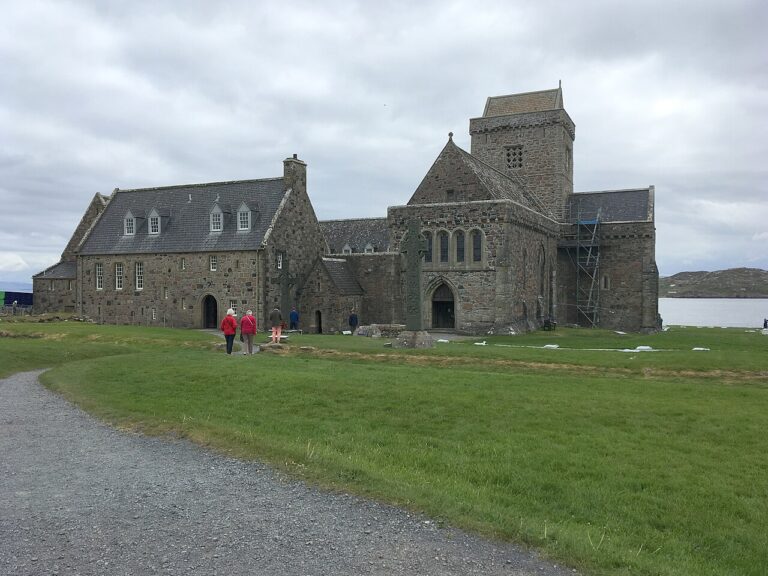
St Mary's Abbey on Iona, founded on the site of Columba's monastery

The Dove of the Church: A Tribute to Columba of Iona

August 19, 2026

A Donegal prince turned exile founded a monastery on a small Hebridean island in 563 — and from it, Irish monks carried Christianity to the Picts, to Northumbria, and eventually into the heart of a fractured continental Europe.

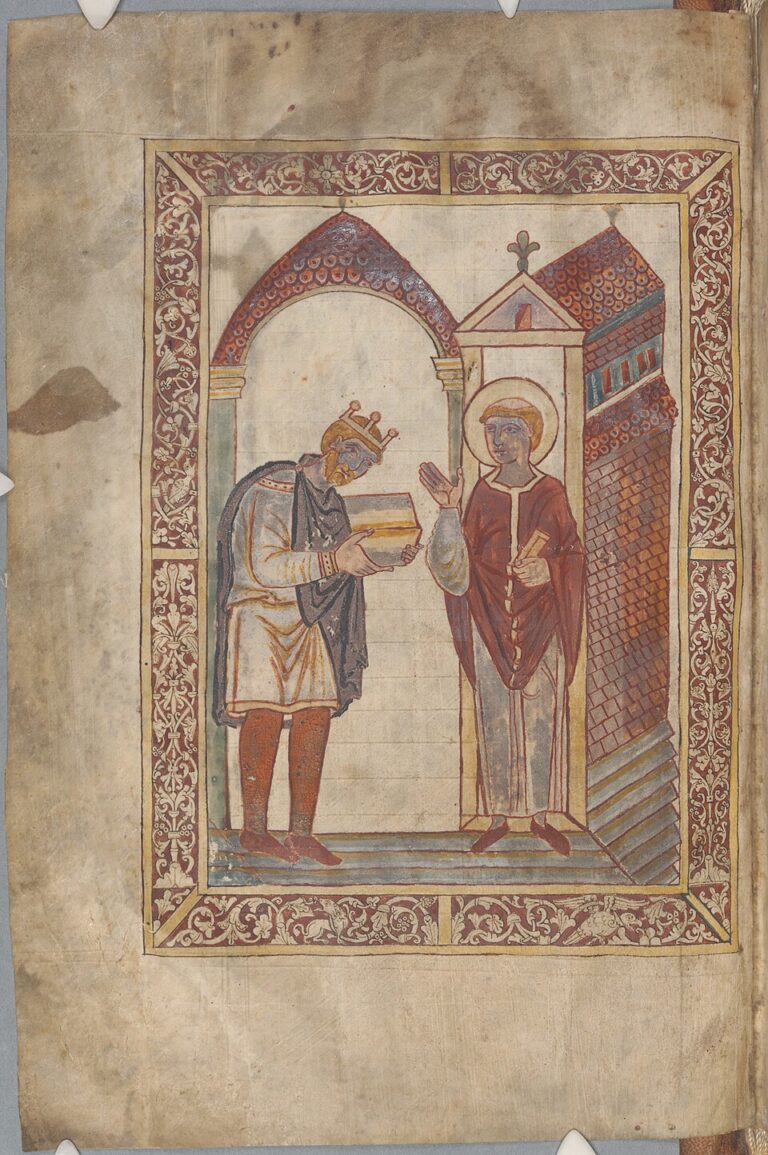
Frontispiece of Bede's Life of St Cuthbert showing King Æthelstan presenting the book to the saint, circa 930

Rex Totius Britanniae: A Tribute to Æthelstan

August 19, 2026

Raised in his aunt’s Mercian court, acclaimed king by Mercian nobles before Wessex would accept him, and crowned in a ceremony designed to say something new: he became the first king to rule a single, unified England.

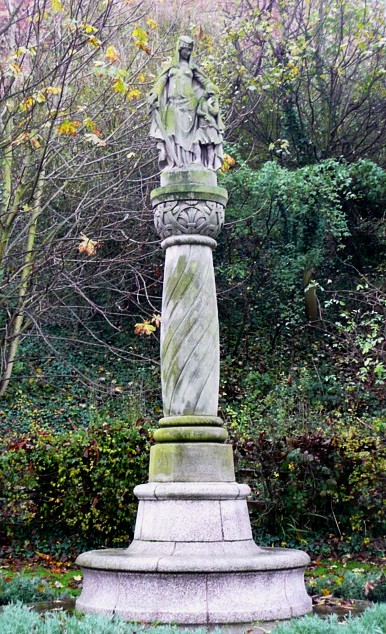
Statue of Æthelflæd, Lady of the Mercians, with her nephew Æthelstan, Tamworth

The Lady of the Mercians: A Tribute to Æthelflæd

August 19, 2026

A daughter of Alfred the Great who ruled Mercia in her own name, built a chain of fortified burhs across the English Midlands, took towns by siege, and died eight weeks short of a submission that would have delivered York without a fight.

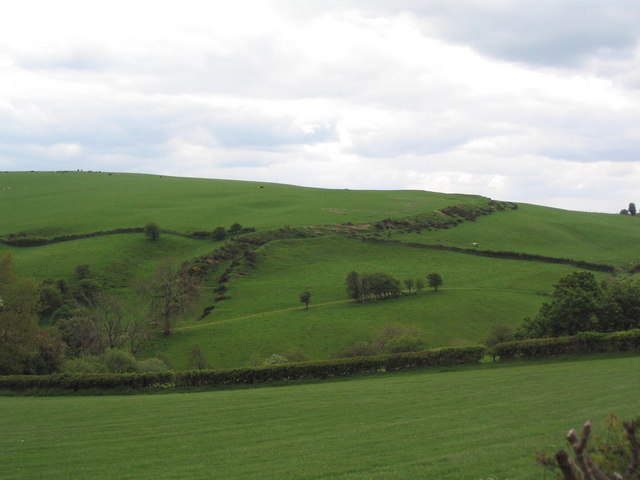
Offa's Dyke running across Llanfair Hill on the Welsh border

The Hegemon: A Tribute to Offa of Mercia

August 19, 2026

The most powerful Anglo-Saxon king before Alfred built a currency system, a border earthwork still visible today, and a hegemony that stretched across southern Britain — then watched it collapse within a generation of his death.

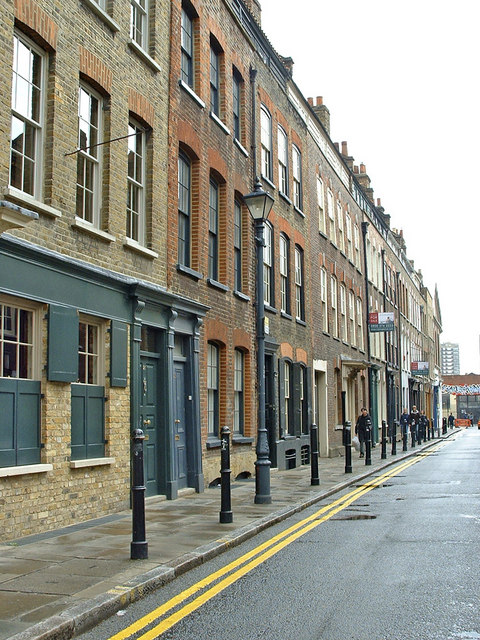
Georgian terrace houses on Fournier Street, Spitalfields, built by Huguenot silk weavers with glazed top-storey windows to light their looms

The Refuge: A Tribute to Britain’s Huguenots

August 19, 2026

From the “Church of Foreigners” recognised in London in 1550 to a governor of the Bank of England, a scientist who lectured Newton’s physics to the public, and the grandfather of a Drury Lane actor: the migration, industry and legacy of Britain’s Huguenots, traced through named sources.

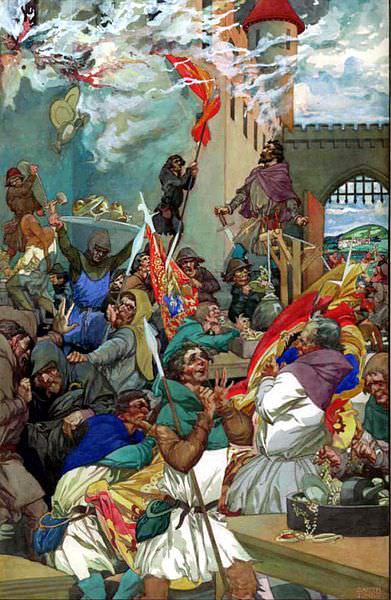
"The Peasants (Wat Tyler) burn Palace of the Savoy," a later artistic imagining by Alfred Garth Jones (1872-1955), not a contemporary depiction

The Woman Accused of Burning the Savoy

August 15, 2026

On 13 June 1381, a jury later swore, Joanna Ferrour of Rochester walked into the Savoy Palace as “chief perpetrator and leader” of a mob that burned it to the ground. The record of what happened next survives — and so does a question nobody has ever answered.